Akihabara Without the Bullshit
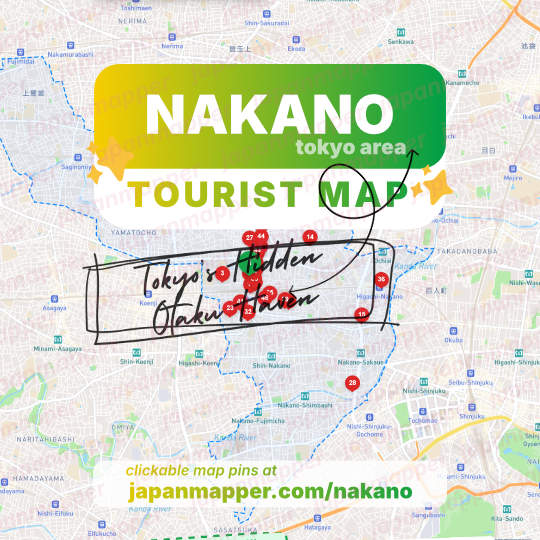
If Akihabara is Tokyo’s neon-drenched billboard for mainstream otaku culture, Nakano is its eccentric, hoarding uncle who actually knows his stuff. Five minutes west of Shinjuku on the Chuo Line, this neighborhood cuts through the sanitized, tourist-trap fluff of central Tokyo. It’s dense, slightly claustrophobic, smells permanently of charcoal and ramen broth, and houses one of the densest rabbit holes of vintage pop-culture artifacts on earth. You don't come here for manicured gardens or towering glass skyscrapers; you come because it feels lived-in, chaotic, and unapologetically stubborn about keeping its grit.
Neon Tubes, Plastic Toys, and Cigarette Smoke
Stepping out of the north exit lands you directly into Nakano Sun Mall, a covered pedestrian shopping street that hits your senses with roasting coffee, drugstores, and echoing pop music. Walk straight through it, and the architecture abruptly dead-ends into Nakano Broadway—a brutalist, maze-like concrete bunker built in the 1960s.
Cross the threshold, and the slick Tokyo veneer vanishes. Up on the second, third, and fourth floors, narrow corridors stretch out under harsh fluorescent lights, packed wall-to-wall with vintage toys, counterfeit watches, niche subculture zines, and rare animation cels. But slip outside into the tangled yokocho alleyways directly east of the mall, and the energy flips. By late afternoon, red paper lanterns flicker to life, salarymen pack shoulder-to-shoulder into counter-only bars, and the entire block fills with sizzling yakitori fat and conversation spilling onto the pavement.
From Feudal Dog Palaces to Tokyo’s Counterculture Vault
Nakano’s oddball energy isn't an accident. Back during the Edo period, the fifth Tokugawa shogun—obsessed with animal welfare and born in the Year of the Dog—decreed that this massive, open plain would house over 100,000 stray dogs in giant, tax-funded kennels. The area was literally built on weird, sprawling state eccentricity.
Fast forward to 1966: Nakano Broadway opened as a luxury housing and retail complex, aimed at housing Tokyo’s elite with a rooftop pool and garden. But as newer developments stole the wealthy crowd in the 1970s, rents cratered. Instead of dying, Broadway was quietly occupied by second-hand bookdealers, antique sellers, and a fledgling shop called Mandarake in 1980. The drop in commercial prestige cleared the way for collectors, weirdos, and subculture archivists to build a massive, self-sustaining stronghold before anyone thought to gentrify it.
Eight Tiers of Soft Serve and Charcoal-Seared Offal
- Daily Chico's 8-flavor tower: Located in Broadway’s dingy basement, this counter churns out a precarious, eight-layer soft-serve cone stacking flavors like black sesame, ramune, matcha, and sweet potato into a tower roughly the size of a forearm. Locals don't order it as a gimmick—they eat it because it costs pennies, tastes surprisingly intense, and the staff will bluntly hand you a spoon because if you drop it, you don't get a refund.
- Motsu-yaki at Ishimatsu: Skip the sanitized dining halls. Squeeze into a back-alley grill counter like Ishimatsu for motsu-yaki (grilled pork entrails). Skewered fresh, brushed with aged soy tare, and blistered over hot coals, this is the heavy, salty fuel that neighborhood regulars wash down with ice-cold shochu highballs.
The Holy Land of Satoshi Kon and Digimon Sleuths
If you’ve watched anime with any grit, Nakano is practically burned into your retina. The legendary director Satoshi Kon lived and worked in this area; the eerie, liminal spaces of Broadway and its surrounding apartments directly bled into the surreal urban dread of Paranoia Agent and Perfect Blue.
Gamers know Nakano Broadway as the central, meticulously recreated hub of Digimon Story: Cyber Sleuth, where the mall's low ceilings and vintage store fronts serve as the portal between reality and cyberspace. Unlike the splashy, branded tie-in zones in Shibuya, Nakano's appearances in fiction lean into its genuine layout: a labyrinthine sanctuary where oddities congregate.
The Alleys Behind the Hype
- Nakano Fudo-son: Most people sprint directly toward Broadway and bypass this tiny, intensely atmospheric shrine tucked just off the main shopping artery. It’s quiet, framed by weathered red bibs on stone statues, and serves as an instant reset from the sensory barrage of Sun Mall.
- The Broadway B1 grocery floor: Everyone rushes upstairs to gawk at anime figures, completely missing the subterranean level. It is a raw, bustling Showa-era market where neighborhood grannies buy fresh tofu, seasonal pickles, and whole fish cut on wooden boards under buzzing yellow lights.
- Rengazaka (Brick Slope): Exit the station's south side instead of the north. Walk up this gentle, brick-paved incline lined with converted wooden townhouses operating as independent craft beer taps, natural wine bistros, and hole-in-the-wall espresso bars. It feels like an entirely different town compared to the otaku sprawl across the tracks.
"It's Just an Indoor Comic Shop"
The biggest lie people tell about Nakano Broadway is that it’s just an old mall full of comic books you can burn through in an hour.
It is not. Broadway is an absolute labyrinth of roughly thirty distinct, hyper-fragmented Mandarake branches scattered unpredictably across four floors, interspersed with high-end vintage Rolex dealers, rare antique coin brokers, retro video game hoarders, and secondhand doll customizers. If you walk in expecting a clean, organized department store layout, you will get turned around, hit dead ends, and leave frustrated. Treat it like an indoor salvage yard where you have to dig through display cases to find gold.
Surviving the Grid
- Skip the morning: Don’t bother showing up before noon. Most shops inside Broadway don't even pull up their shutters until 12:00 PM or 1:00 PM. Arrive around 2:00 PM to browse the upper floors, then exit right into the alleys at 5:30 PM when the grill fires get lit.
- Take the local train back: The Chuo Rapid line skips Nakano on weekends and holidays, running express straight past it. Take the Chuo-Sobu Line (yellow train) or the Tozai Subway Line to avoid the headache of missing your stop or standing stranded on the wrong platform.
- Bring cash banknotes: The high-end luxury watch storefronts take plastic, but the best vintage subculture nooks, basement snack bars, and yokocho stalls operate almost exclusively on cash. Keep a stash of 1,000-yen notes ready.